November 23, 2024
The Importance of Pre-engineering and Feasibility Studies in Industrial Construction
Sharda@Admin
November 23, 2024
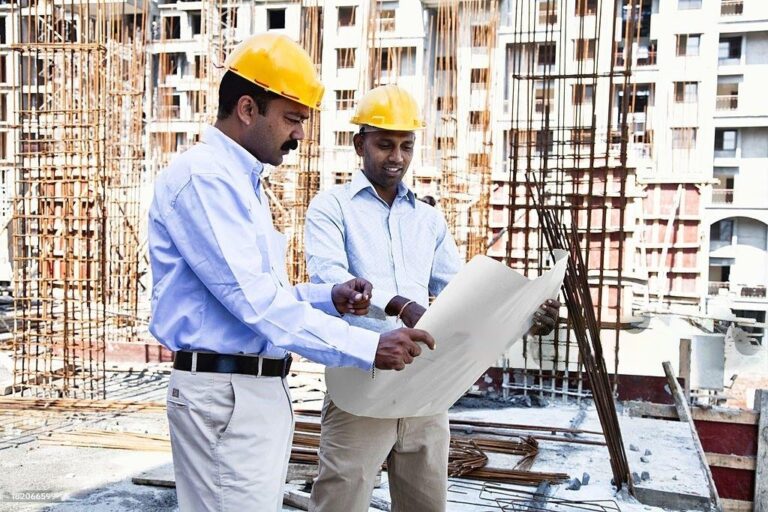
Introduction:
In the fast-paced world of industrial construction, every project begins with a single question: is it feasible? The answer to this question can determine the success or failure of an entire project. This is where pre-engineering and feasibility studies come into play. These critical steps ensure that all aspects of the project—from cost to safety—are carefully analyzed before a single brick is laid.
At Sharda Infra, we’ve spent more than two decades perfecting this process, offering clients a smooth, risk-managed approach to industrial construction. In this blog, we’ll explore why pre-engineering and feasibility studies are essential for any industrial project and how they set the stage for success.
What is Pre-engineering?
Pre-engineering is the process of evaluating all technical and logistical aspects of a construction project before it starts. It involves assessing the project’s design, cost, construction timeline, and safety protocols to ensure everything is feasible and optimized.
Key Elements of Pre-engineering:
- Design Assessment: Ensures that the building’s design meets functional and aesthetic requirements.
- Cost Estimation: Provides a detailed breakdown of the project costs, from raw materials to labor.
- Construction Planning: Lays out a detailed timeline of each phase of the construction process.
- Risk Management: Identifies potential risks and outlines strategies to mitigate them.
By carrying out these steps, we avoid surprises down the line, which can delay the project or increase costs.
What is a Feasibility Study?
A feasibility study dives even deeper into the logistics of a project. It answers questions like:
- Is the proposed location suitable for construction?
- What environmental impacts will the project have?
- Are there any legal or zoning restrictions?
- Is the budget realistic, given the project scope?
At Sharda Infra, our feasibility studies help clients make informed decisions. We ensure that the project is not only technically viable but also financially sound and environmentally sustainable.
Why Feasibility Studies are Crucial:
- Risk Reduction: A detailed feasibility study helps identify potential pitfalls early in the planning stages.
- Informed Decision-Making: Gives stakeholders the information they need to make smart, cost-effective decisions.
- Regulatory Compliance: Ensures that the project meets all local and international regulations before starting.
How Pre-engineering and Feasibility Studies Save Time and Money
When industrial construction projects skip these crucial steps, they run the risk of unexpected costs, delays, or even project failure. Imagine launching a project only to find out halfway through that the foundation is unsuitable, or that certain permits weren’t obtained—this can result in lost time, lost money, and a tarnished reputation.
By investing in pre-engineering and feasibility studies upfront, clients save both time and money in the long run. Sharda Infra’s expertise in these areas helps clients avoid costly surprises and ensures that the project is completed on time and within budget.
Real-World Example: One of our recent projects involved the construction of a large manufacturing plant. Before breaking ground, we conducted a thorough pre-engineering and feasibility analysis, which revealed that the soil was not stable enough to support the building’s weight. Thanks to this early discovery, we were able to adjust the design and strengthen the foundation before construction began—saving the client millions in potential repair costs down the line.
Post Tags:
Blog
About Us
Building Your Future, One Brick at a time. Expert Construction and Infrastructure Solutions.